Article Plan: Mobility Exercises PDF
This comprehensive guide details creating a personalized mobility plan, utilizing readily available PDF resources for exercises targeting all ages and fitness levels.
Mobility exercises are gaining prominence as a cornerstone of holistic fitness, and readily accessible PDFs are transforming how people approach movement health. These aren’t simply stretches; they’re controlled movements designed to improve the range of motion and control within your joints. Many individuals experience limitations in their daily activities due to stiffness, impacting everything from simple tasks to athletic performance.

Fortunately, numerous resources offer structured mobility routines in convenient PDF format. These PDFs cater to diverse needs, from quick daily routines to specialized programs for seniors or athletes. Understanding the principles behind these exercises, and how to correctly implement them, is key to unlocking their benefits. This article will explore the world of mobility exercises, guiding you through understanding, implementation, and finding the right PDF resources for your needs.
What is Mobility and Why is it Important?
Mobility, fundamentally, is your ability to actively control your body’s movement through a full range of motion. It’s distinct from flexibility – which is simply the potential for movement. Why is this crucial? Because good mobility underpins nearly every physical activity, from walking and bending to complex athletic maneuvers.
PDF guides focusing on mobility exercises emphasize this active control. Poor mobility restricts daily functionality, contributes to pain, and hinders athletic performance. Accessible PDFs provide structured routines to address these limitations. Prioritizing mobility isn’t just about preserving joint health for later life; it’s about enhancing your quality of life now, allowing you to move freely and confidently. These resources empower individuals to take control of their movement health.
Mobility vs. Flexibility: Understanding the Difference
While often used interchangeably, flexibility and mobility are distinct concepts, and effective mobility exercises, often detailed in PDF guides, address both. Flexibility refers to the passive range of motion in a joint – how far it can stretch. Mobility, however, incorporates strength, control, and coordination within that range.
A PDF resource will likely demonstrate how to actively control movement through a full range, unlike static stretching which focuses solely on length. You can be flexible but lack mobility, meaning you can touch your toes but struggle to squat with good form. Mobility exercises aim to build the strength and neuromuscular control needed to utilize your flexibility functionally, improving overall movement quality and reducing injury risk.
Benefits of Regular Mobility Exercises
Consistent mobility work, easily accessible through downloadable PDF routines, yields significant benefits for individuals of all ages and activity levels. These exercises enhance athletic performance by improving movement efficiency and power output, allowing for greater range of motion during activities.
Furthermore, regular mobility practice is a cornerstone of injury prevention, strengthening supporting muscles and improving joint stability. Beyond athletics, mobility exercises dramatically enhance daily functionality – making everyday tasks like bending, lifting, and walking easier and more comfortable. Many PDF guides emphasize these practical applications, promoting a pain-free and active lifestyle.
Improved Athletic Performance
Mobility exercises, often outlined in detailed PDF workout plans, are crucial for unlocking an athlete’s full potential. By increasing joint range of motion and optimizing movement patterns, these exercises directly translate to enhanced power, speed, and agility.
PDF resources frequently showcase drills designed to improve specific athletic movements, like a deeper squat or a more powerful throwing motion. Improved mobility allows athletes to generate force more efficiently, reducing wasted energy and minimizing the risk of compensation injuries. Accessing these targeted PDF guides empowers athletes to refine technique and achieve peak performance.
Injury Prevention
Utilizing mobility exercises, often found in accessible PDF formats, is a proactive strategy for injury prevention. Tightness in muscles and limited joint range can lead to improper movement mechanics, increasing stress on tendons, ligaments, and joints.
PDF guides frequently present exercises that address common areas of restriction, strengthening supporting muscles and improving overall stability. By incorporating these routines, individuals can prepare their bodies for physical activity, reducing the likelihood of strains, sprains, and other injuries. Consistent use of these PDF-based mobility drills builds resilience and promotes long-term joint health.

Enhanced Daily Functionality

Mobility exercises, easily accessed through PDF resources, significantly improve everyday movements and quality of life. Simple tasks like bending, reaching, lifting, and walking become easier and more comfortable with increased joint range and muscle flexibility.
PDF guides often feature exercises designed to address limitations that hinder daily activities. Improved mobility translates to greater independence and reduced strain during routine tasks. Whether it’s reaching for items on a high shelf or maintaining balance while walking, consistent practice from these PDFs empowers individuals to navigate daily life with greater ease and efficiency, promoting overall well-being.
Mobility Exercises for Specific Body Parts
Numerous mobility exercise PDFs categorize routines by body area, offering targeted solutions for common stiffness. These resources frequently detail exercises for ankle and foot mobility – crucial for balance and performance – alongside hip mobility drills to improve posture and reduce lower back pain.
PDFs also provide thoracic spine (upper back) mobility exercises, addressing desk-related stiffness. Many guides include visual aids and step-by-step instructions, making it easy to follow along. By focusing on specific areas, these PDFs allow individuals to address their unique needs and limitations, fostering a more personalized and effective mobility practice.
Ankle and Foot Mobility Exercises
Mobility exercise PDFs dedicated to the ankles and feet emphasize foundational movements for overall physical health. These often include ankle circles, calf stretches (both straight-legged and bent-knee variations), and foot doming/clawing exercises to improve range of motion.
Many PDFs highlight the importance of these exercises for athletes and individuals spending long periods on their feet. Detailed instructions and illustrations demonstrate proper form, minimizing risk of injury. Some resources incorporate band-assisted exercises for added resistance, while others suggest using a lacrosse ball for myofascial release in the foot.
Hip Mobility Exercises
Mobility exercise PDFs frequently prioritize hip mobility due to its central role in functional movement and preventing lower back pain. Common exercises detailed include hip circles, pigeon stretches (variations for different flexibility levels), and dynamic stretches like leg swings.
Many PDFs emphasize the importance of addressing both internal and external hip rotation. Resources often include progressions, starting with bodyweight movements and gradually incorporating resistance bands or light dumbbells. Illustrations clearly demonstrate proper form, and some guides offer modifications for individuals with limited mobility or specific injuries.
Thoracic Spine (Upper Back) Mobility Exercises
Mobility exercise PDFs often highlight the thoracic spine as a key area for improvement, impacting posture and shoulder function. Common exercises detailed include thoracic rotations (seated or kneeling), cat-cow stretches, and foam rolling techniques targeting the upper back muscles.
PDF resources frequently emphasize the importance of controlled movements and breathing during these exercises. Many guides provide progressions, starting with gentle movements and gradually increasing the range of motion. Visual aids, like diagrams and videos, are often included to demonstrate proper form and prevent injury. Addressing stiffness in this region is crucial for overall mobility.
Mobility Exercises for Seniors (60+)
Mobility exercise PDFs designed for seniors (60+) prioritize safety and fall prevention, focusing on gentle, low-impact movements. These resources often feature chair-based exercises, targeting hips, knees, and ankles, crucial for maintaining independence. Guides emphasize the importance of warming up before exercise and cooling down afterward.
Many PDFs outline stretches to improve range of motion and reduce stiffness, with clear instructions and modifications for varying ability levels. They frequently highlight the benefits of regular mobility work for maintaining balance and preventing injuries. Resources often suggest consulting a healthcare professional before starting any new exercise program.
Using Dumbbells to Enhance Mobility
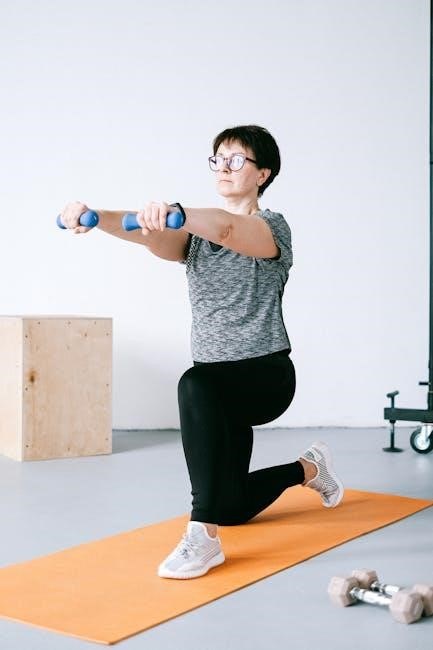
Mobility exercise PDFs are increasingly incorporating light dumbbells to challenge stability and control during movement patterns. This approach goes beyond traditional stretching, actively engaging muscles throughout a greater range of motion. PDFs demonstrate how controlled dumbbell movements can improve joint health and coordination.
These resources often showcase exercises like controlled arm circles with light weights, or gentle torso twists while holding a dumbbell, enhancing core engagement. The added resistance encourages proper form and strengthens supporting muscles. It’s crucial to start with very light weights and prioritize technique over load, as detailed in many downloadable guides.
Creating a Daily Mobility Routine
Many mobility exercise PDFs emphasize the importance of consistency, advocating for short, daily routines over infrequent, lengthy sessions. Begin by identifying areas needing improvement – hip stiffness, thoracic spine restriction, or ankle limitations are common. Downloadable PDFs often categorize exercises by body region, allowing for targeted routines.
Structure your routine with 5-10 minutes of dynamic movements, focusing on controlled range of motion. Prioritize exercises that address your specific needs, and gradually increase complexity as mobility improves. Utilize PDF guides to track progress and ensure proper form. Remember, even small daily investments yield significant long-term benefits.

Sample Mobility Workout (Quick Routine)
Numerous mobility exercise PDFs offer quick routines ideal for busy schedules. A sample 5-minute routine could include: 10 ankle circles each direction, 10 hip circles, 5 thoracic rotations (seated or kneeling), 5 cat-cow stretches, and 5 bodyweight squats with a focus on depth.
Many PDFs demonstrate these exercises with clear visuals. Prioritize controlled movements over speed. This routine, easily found in downloadable guides, aims to improve foundational mobility. Remember to listen to your body and modify exercises as needed. Consistent practice, even with a short routine, is key to unlocking better movement patterns.
The Role of a Mobility Coach/Specialist
While numerous mobility exercise PDFs provide valuable routines, a coach offers personalized guidance. Specialists assess individual movement patterns, identifying limitations and creating tailored programs. They go beyond generic PDFs, addressing specific needs and imbalances.
A coach ensures proper form, preventing injury and maximizing effectiveness. They can integrate mobility work with other training modalities. PDFs are excellent resources, but a specialist provides accountability and nuanced adjustments. Seeking professional help, alongside utilizing PDF guides, can accelerate progress and optimize long-term mobility gains, especially for complex issues.

Finding and Utilizing Mobility Exercise PDFs
Numerous free and premium mobility exercise PDFs are available online. Search terms like “mobility routine PDF,” “joint mobility exercises,” or “dynamic stretching PDF” yield results. Websites of fitness professionals, physical therapy clinics, and athletic organizations often offer downloadable resources.

When selecting a PDF, consider your experience level and specific goals. Look for clear instructions, illustrations, or videos demonstrating proper form. Prioritize PDFs created by qualified professionals. Remember, a PDF is a tool; consistency and correct execution are key. Supplement PDF routines with guidance from a specialist if needed for optimal results.
Common Mistakes to Avoid During Mobility Exercises

Rushing through movements is a frequent error, diminishing effectiveness and increasing injury risk. Focus on controlled, deliberate motions, prioritizing quality over quantity. Another mistake is holding your breath – maintain steady breathing throughout each exercise. Ignoring pain signals is detrimental; modify or stop if discomfort arises.
Avoid compensating with other body parts; isolate the targeted muscle groups. Many neglect a proper warm-up, hindering joint preparation. Finally, inconsistent practice yields minimal gains; integrate mobility work into your routine regularly. Utilizing a PDF doesn’t replace mindful execution and self-awareness.
Mobility for Pain Management

Mobility exercises, often detailed in accessible PDFs, can significantly alleviate chronic pain by addressing underlying movement restrictions. Targeting stiff joints and tight muscles improves range of motion and reduces discomfort. This isn’t about ‘pushing through’ pain, but gently restoring optimal function.
Specific exercises can target back pain, knee issues, and hip discomfort. A mobility specialist (or a well-designed PDF program) can help identify movement patterns contributing to your pain. Remember consistency is key; regular practice yields lasting relief. Prioritize exercises that feel good and avoid those that exacerbate symptoms.
Long-Term Consistency and Progression
Sustaining a mobility routine requires integrating it seamlessly into your lifestyle, and utilizing PDF guides can aid this process. Start slowly, focusing on quality over quantity, and gradually increase the intensity or complexity of exercises. Track your progress – noting improvements in range of motion or pain reduction – to stay motivated.
Periodically reassess your needs and adjust your routine accordingly. Consider incorporating new exercises from PDF resources to challenge your body. Remember, mobility is a lifelong pursuit, not a quick fix. Consistency, coupled with smart progression, unlocks lasting benefits and prevents plateaus.
Investing in your mobility is an investment in your overall well-being, and accessible PDF resources make it easier than ever to begin. Don’t underestimate the power of consistent, targeted movement to enhance daily life, athletic performance, and long-term health.
Prioritize mobility alongside strength and endurance training. Explore the wealth of mobility exercise PDFs available online, tailoring routines to your specific needs and goals. Remember, proactive mobility work can prevent pain, improve function, and empower you to live a more active, fulfilling life. Make it a non-negotiable part of your routine!