
Shoulder pulley exercises, often detailed in PDF guides, are a cornerstone of rehabilitation, offering a controlled range of motion for improved joint health and recovery.
What are Shoulder Pulley Exercises?
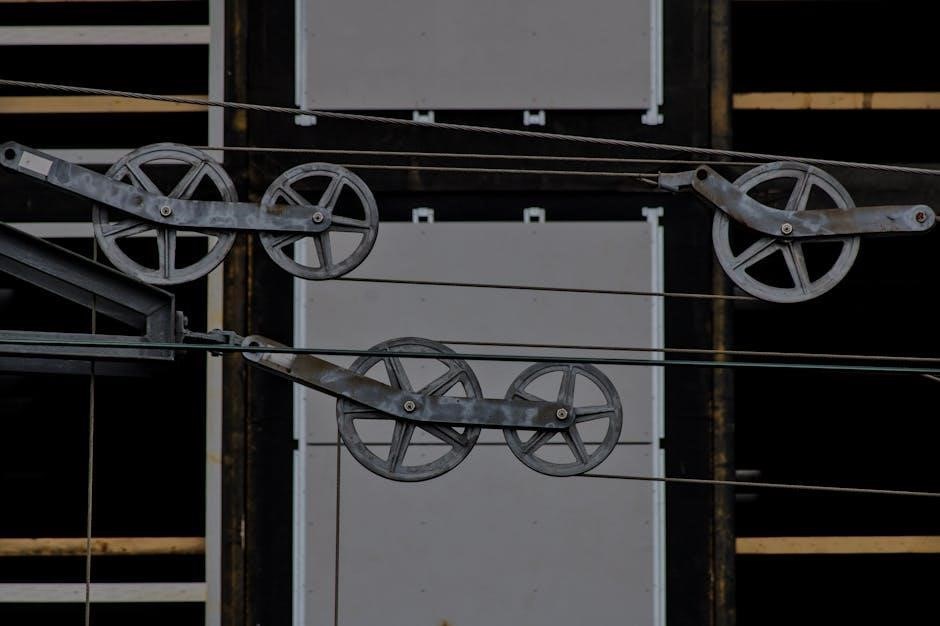
Shoulder pulley exercises utilize a specialized system – frequently detailed in comprehensive PDF resources – consisting of a pulley and cord to assist and guide shoulder movements. These exercises aren’t about building bulk; instead, they focus on restoring and improving the range of motion in the shoulder joint. A PDF guide will typically illustrate how the system allows patients to perform flexion, external and internal rotation, and abduction with reduced strain.
The pulley counteracts gravity, making movements easier, particularly beneficial after injury or surgery. Many PDFs emphasize the importance of controlled, pain-free movements. The system allows for a customizable level of assistance, adapting to the individual’s progress and capabilities, as outlined in downloadable PDF exercise plans.
Benefits of Using a Shoulder Pulley System
A shoulder pulley system, often explained with detailed diagrams in PDF guides, offers numerous advantages for rehabilitation. Primarily, it facilitates a controlled and progressive increase in range of motion, crucial after injury or surgery. Many PDF resources highlight the system’s ability to reduce pain during movement by assisting weakened muscles.
Furthermore, these systems promote independent exercise, empowering patients to actively participate in their recovery, as demonstrated in instructional PDFs. The adjustable resistance allows for personalized training, catering to individual needs. PDF guides often emphasize improved blood circulation and reduced stiffness. Consistent use, guided by a PDF plan, can lead to faster and more complete shoulder recovery.
Who Can Benefit from Shoulder Pulley Exercises?
Individuals recovering from rotator cuff repairs, as detailed in many rehabilitation PDFs, greatly benefit from shoulder pulley exercises. Those experiencing frozen shoulder (adhesive capsulitis) find the gentle, controlled movements invaluable, often outlined in specific PDF protocols. Post-surgical patients undergoing shoulder arthroscopy or replacement also utilize these systems, with PDF guides providing phased exercise plans.
Furthermore, individuals with shoulder impingement syndrome or general shoulder stiffness can improve mobility using a pulley system, as illustrated in therapeutic PDFs. Even athletes seeking to prevent injuries or enhance shoulder stability can incorporate these exercises, following PDF-based preventative routines. A PDF from a physical therapist can help determine suitability.

Understanding Shoulder Anatomy & Common Conditions
A PDF detailing shoulder anatomy clarifies muscle groups affected by conditions like rotator cuff injuries and frozen shoulder, guiding effective pulley exercise application.
Key Shoulder Muscles Involved
Understanding the key shoulder muscles is crucial when utilizing shoulder pulley exercises, often detailed in comprehensive PDF resources. The rotator cuff – comprised of the supraspinatus, infraspinatus, teres minor, and subscapularis – provides stability and enables a wide range of motion. Deltoids, encompassing anterior, medial, and posterior portions, facilitate arm elevation and rotation.
The trapezius and serratus anterior contribute to scapular movement, essential for optimal shoulder function. A PDF guide will visually demonstrate how pulley exercises target these specific muscle groups. Strengthening these muscles, particularly post-injury or surgery, is a primary goal. Proper form, as illustrated in instructional PDFs, ensures effective muscle engagement and prevents further strain. Knowing which muscles are activated during each exercise maximizes rehabilitation outcomes.
Rotator Cuff Injuries & Pulley Exercises
Shoulder pulley exercises, frequently outlined in detailed PDF rehabilitation protocols, are invaluable for recovering from rotator cuff injuries. These exercises gently restore range of motion without stressing damaged tendons. A tear or tendinitis often limits movement; pulleys facilitate passive and then active-assisted motion, preventing stiffness.
PDF guides emphasize starting with low resistance and gradually increasing it as strength improves. External and internal rotation exercises, commonly found in these PDFs, specifically target the rotator cuff muscles. Consistent use, as prescribed in a PDF program, promotes healing and reduces pain. It’s vital to follow a physical therapist’s guidance and the instructions within the PDF to avoid re-injury and optimize recovery.
Frozen Shoulder (Adhesive Capsulitis) & Pulley Systems
Shoulder pulley exercises, often detailed in comprehensive PDF rehabilitation plans, are a crucial component in managing frozen shoulder (adhesive capsulitis). This condition restricts shoulder movement, causing significant pain and disability. Pulley systems gently stretch the shoulder capsule, improving range of motion.
PDF guides typically illustrate specific exercises – flexion, abduction, and rotations – designed to address the limitations caused by frozen shoulder. Consistent, gentle use, as outlined in a PDF program, is key to breaking up adhesions. These PDF resources emphasize the importance of pain management and gradual progression. Following a physical therapist’s instructions, alongside the PDF’s guidance, maximizes effectiveness and prevents further complications during the recovery process.
Post-Surgery Rehabilitation with Shoulder Pulleys
Shoulder pulley exercises, frequently detailed in post-operative PDF rehabilitation protocols, are vital for regaining function after shoulder surgery. These PDF guides provide structured exercise programs to restore range of motion and strength. Early-stage exercises, outlined in the PDF, focus on gentle, pain-free movements, utilizing the pulley system to assist with flexion and external rotation.
PDF resources emphasize adhering to the surgeon’s and physical therapist’s instructions. Progressive resistance, as detailed in the PDF, is gradually introduced. Consistent use, guided by the PDF’s illustrations and instructions, helps prevent stiffness and promotes healing. Careful monitoring of pain levels, as advised in the PDF, is crucial to avoid setbacks during the rehabilitation journey.
Setting Up Your Shoulder Pulley System
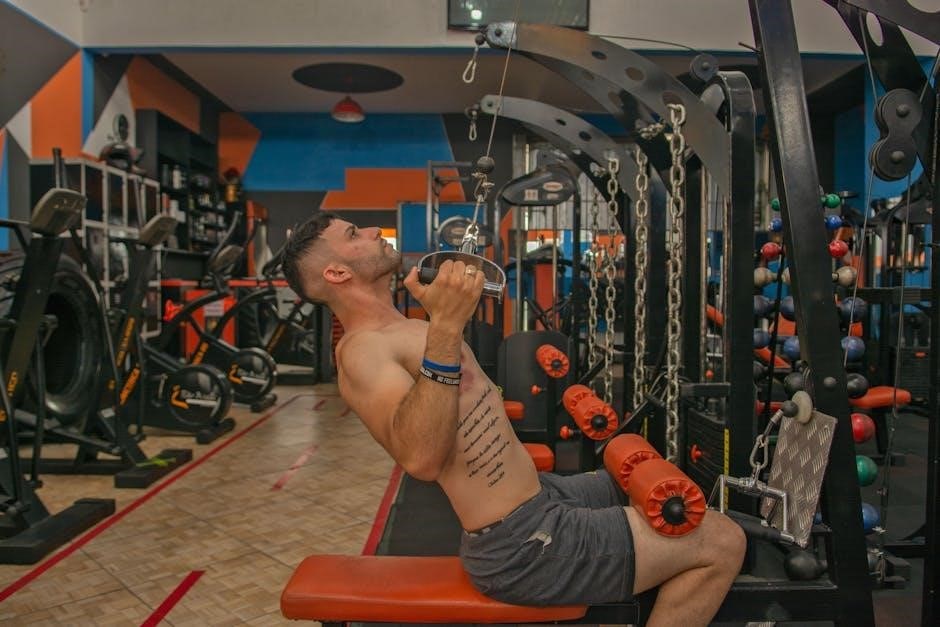
PDF guides illustrate proper assembly, ensuring correct height and rope length for optimal use of your shoulder pulley system for effective exercises.
Choosing the Right Shoulder Pulley System
Selecting a suitable shoulder pulley system is crucial for effective rehabilitation. Many comprehensive PDF resources detail various types, from simple single-pulley systems ideal for home use to more complex setups found in clinical settings. Consider the adjustability of the pulley – can it accommodate different heights and arm lengths?
Look for systems with durable ropes and smooth-gliding pulleys to prevent friction and discomfort. PDF guides often highlight features like padded handles for enhanced comfort during exercises.
Evaluate the weight capacity, ensuring it’s appropriate for your needs. Some systems include resistance bands for progressive overload, a feature often explained in downloadable PDF instructions.
Prioritize systems with clear, illustrated instructions – ideally, a downloadable PDF – to ensure correct setup and safe operation.
Proper Installation and Adjustment
Correct installation, often visually demonstrated in PDF guides, is paramount for safety and effectiveness. Securely anchor the pulley system to a sturdy doorframe or designated overhead support, verifying its weight capacity.
Adjust the rope length to ensure a comfortable range of motion without strain. Many PDF resources emphasize starting with a shorter rope length and gradually increasing it as flexibility improves.
The pulley should glide smoothly; any resistance indicates a potential issue.
Carefully position the handle at the correct height, aligning with your shoulder joint. PDF instructions frequently include diagrams illustrating proper positioning. Double-check all connections before each use, referencing the system’s PDF manual for detailed guidance.
Safety Precautions Before Starting
Prior to initiating shoulder pulley exercises, thoroughly review the safety guidelines detailed in the system’s PDF manual. Warm up your shoulder muscles with gentle range-of-motion exercises before using the pulley.
Always begin with minimal resistance and a limited range of motion, gradually increasing both as tolerated. PDF resources often suggest starting with just a few repetitions.
Stop immediately if you experience sharp pain, and consult with a physical therapist.
Ensure the pulley system is securely anchored and the rope is in good condition, as highlighted in many PDF guides. Avoid jerky movements and maintain controlled motions throughout each exercise.
Specific Shoulder Pulley Exercises
PDF guides illustrate exercises like external/internal rotation, flexion, and scaption, utilizing the pulley system for controlled movements and targeted shoulder rehabilitation.
External Rotation Exercises
External rotation exercises, frequently detailed in shoulder pulley exercises PDF resources, are crucial for strengthening the rotator cuff muscles responsible for stabilizing the shoulder joint. These exercises involve pulling the handle away from the body while keeping the elbow bent at 90 degrees and close to the side.
PDF guides often emphasize maintaining proper form – a stable torso and controlled movement – to maximize effectiveness and prevent injury. Starting with low resistance and gradually increasing it is recommended. The goal is to improve the range of motion and strength needed for everyday activities. Many PDFs include visual diagrams demonstrating correct hand and body positioning for optimal results. Consistent practice, as outlined in these resources, is key to successful rehabilitation.
Internal Rotation Exercises
Internal rotation exercises, commonly illustrated in shoulder pulley exercises PDF guides, target the subscapularis muscle, a key component of the rotator cuff. These exercises involve pulling the pulley handle towards the body, across the front of the torso, while maintaining a bent elbow and stable shoulder position.
PDF resources often highlight the importance of controlled movements and avoiding compensation with other muscle groups. Starting with minimal resistance and progressively increasing it is advised to prevent strain. Proper form, as demonstrated in the PDFs, ensures effective muscle engagement. These exercises are vital for restoring full shoulder range of motion and function. Consistent adherence to the guidelines within these PDFs will contribute to a successful recovery and improved shoulder health.
Flexion Exercises
Flexion exercises, frequently detailed in shoulder pulley exercises PDF materials, focus on raising the arm forward, mimicking reaching. These are foundational for regaining overhead reach and function. PDF guides emphasize maintaining a controlled pace and avoiding jerky movements during the pull. The elbow should remain bent throughout the exercise, ensuring isolation of the shoulder joint.
Many PDF resources illustrate proper setup and hand positioning for optimal results. Starting with low resistance and gradually increasing it, as outlined in the PDFs, is crucial. Consistent practice, guided by the instructions within these shoulder pulley exercises PDF documents, promotes improved range of motion and reduced stiffness. Proper execution, as shown in the PDFs, minimizes the risk of re-injury and maximizes rehabilitation effectiveness.
Scaption Exercises
Scaption exercises, thoroughly explained in many shoulder pulley exercises PDF guides, involve raising the arm at a 30-45 degree angle forward of the frontal plane. This motion targets the supraspinatus muscle, crucial for shoulder stability. PDF resources often highlight the importance of a smooth, controlled pull, avoiding any sudden jerks or discomfort. Maintaining a slight bend in the elbow is also frequently emphasized within these PDF documents.
Detailed illustrations in shoulder pulley exercises PDFs demonstrate correct hand and body positioning. Starting with minimal resistance and progressively increasing it, as detailed in the PDFs, is vital for safe and effective rehabilitation. Consistent adherence to the guidelines presented in these PDFs promotes improved shoulder function and reduces pain. Proper form, as shown in the PDFs, is key to preventing re-injury.
Abduction Exercises
Abduction exercises, frequently detailed in shoulder pulley exercises PDF guides, focus on moving the arm away from the body. These exercises primarily target the deltoid muscle, enhancing shoulder width and stability. Many PDF resources emphasize the importance of maintaining a relaxed shoulder and avoiding shrugging during the movement. The PDFs often illustrate the correct hand positioning and pulley height for optimal results.
Shoulder pulley exercises PDFs commonly recommend starting with low resistance and gradually increasing it as strength improves. Proper form, as demonstrated in the PDFs, is crucial to prevent strain and maximize effectiveness. Consistent practice, guided by the instructions in these PDFs, promotes a greater range of motion and reduced discomfort. Detailed diagrams within the PDFs help ensure correct technique, minimizing the risk of re-injury and supporting long-term shoulder health.

Progressing Your Exercises
Shoulder pulley exercises PDFs advocate gradual resistance increases, monitoring pain levels, and adjusting repetitions to optimize recovery and build strength safely.
Starting Resistance Levels
Shoulder pulley exercises PDF resources consistently emphasize beginning with minimal or no resistance. The initial focus should be on achieving a full, pain-free range of motion. Many guides suggest starting with only the weight of the pulley system itself, or utilizing the lightest weight increments available.
It’s crucial to prioritize proper form over the amount of resistance used. Avoid any forceful movements or pushing through pain. A common starting point involves performing 10-15 repetitions of each exercise with minimal weight, focusing on controlled movements.
Progressing to higher resistance should only occur when you can comfortably complete the prescribed repetitions without experiencing any discomfort. PDF guides often include tables outlining suggested weight increases based on individual progress and tolerance.
Increasing Resistance Over Time
Shoulder pulley exercises PDF materials universally recommend a gradual increase in resistance. Avoid sudden jumps in weight; instead, opt for small, incremental increases – typically 0.5 to 1 pound – per session. This progressive overload principle is key to strengthening shoulder muscles without risking re-injury.
Monitor your body’s response closely. If you experience any pain during or after exercise, reduce the resistance immediately. PDF guides often suggest increasing resistance only when you can comfortably perform the target repetitions with good form for two consecutive sessions.
Periodically reassess your progress and adjust the resistance accordingly. Remember, consistency and controlled progression are more important than lifting heavy weights. Detailed PDF resources provide structured progression plans.

Monitoring Pain and Adjusting Accordingly
Shoulder pulley exercises PDF guides consistently emphasize the importance of pain monitoring. Mild discomfort is acceptable, but sharp, stabbing, or radiating pain signals a problem. Immediately stop the exercise if you experience such pain.
Adjust your routine based on your pain levels. Reduce the resistance, decrease the range of motion, or modify the exercise altogether. Many PDF resources offer alternative exercises for different pain presentations.
Keep a pain journal to track your progress and identify potential triggers. Note the type of pain, its intensity, and what activities exacerbate it. Consult a physical therapist if pain persists or worsens despite adjustments, as detailed in comprehensive PDF rehabilitation protocols.

Troubleshooting & Common Mistakes
Shoulder pulley exercises PDF guides often address common errors like improper form or excessive force; careful review prevents injury and maximizes rehabilitation effectiveness.
Incorrect Form & How to Avoid It
Many shoulder pulley exercises PDF resources emphasize proper form to prevent re-injury and maximize gains. A frequent mistake is using momentum instead of controlled muscle engagement. Avoid jerking motions; the pull should be smooth and deliberate. Another common error involves elevating the shoulder during exercises – keep it relaxed and down.
Ensure the pulley rope is aligned with the targeted movement plane. Review diagrams within your PDF guide carefully. Maintaining a neutral spine and avoiding excessive arching or rounding of the back is also crucial. If pain increases, stop immediately and reassess your form. Consider recording yourself to visually identify and correct errors, comparing your technique to illustrations in the PDF.
Pain During Exercises – What to Do
Most shoulder pulley exercises PDF guides advise stopping immediately if you experience sharp or increasing pain. Mild discomfort is sometimes expected, but it shouldn’t escalate. First, reduce the resistance level significantly or temporarily halt the exercise. Re-evaluate your form, referencing the PDF’s illustrations to ensure correct technique.
If pain persists, apply ice to the affected area for 15-20 minutes. Avoid pushing through pain, as this can exacerbate the injury. Consult with a physical therapist or doctor, especially if the pain is severe or doesn’t subside with rest. Your PDF may include a pain scale to help you assess the intensity and guide your decision-making regarding continued exercise.
Pulley System Malfunctions & Solutions
Many shoulder pulley exercises PDF manuals include a troubleshooting section. Common issues include rope slippage, knot loosening, or the pulley wheel becoming stiff. For rope slippage, ensure the rope is correctly threaded and the knot is secure. Regularly check knot tightness before each session, as detailed in your PDF.
A stiff wheel may require a small amount of lubricant (check your PDF for recommendations). If the system is damaged – a cracked pulley or frayed rope – discontinue use immediately. Attempting repairs yourself could compromise safety. Consult the manufacturer or replace the system. Always prioritize safety and refer to your PDF’s guidelines for proper maintenance.

Resources & Further Information
Numerous shoulder pulley exercises PDF resources are available online, offering detailed instructions and illustrations for safe and effective rehabilitation protocols.
Finding Reputable Shoulder Pulley Systems Online
Locating a trustworthy shoulder pulley system requires careful consideration. Many online retailers specialize in physical therapy and rehabilitation equipment, offering a diverse selection of systems. Before purchasing, review customer feedback and ratings to gauge product quality and reliability. Websites like Amazon, medical supply stores, and dedicated physical therapy equipment providers are good starting points.
Furthermore, searching for shoulder pulley exercises PDF guides alongside system reviews can provide valuable insights into compatibility and usability. Look for systems with adjustable features to accommodate varying needs and ensure proper setup. Prioritize vendors offering clear return policies and warranties for peace of mind. Comparing prices and features across multiple platforms is also recommended to secure the best value.
PDF Resources for Shoulder Pulley Exercises
Numerous shoulder pulley exercises PDF guides are freely available online, offering detailed instructions and illustrations. These resources often provide exercise protocols for various shoulder conditions, including rotator cuff injuries and frozen shoulder. Searching on Google Scholar, university medical center websites, and physical therapy association pages yields credible results.
These PDFs typically outline proper setup, exercise techniques, and progression guidelines. Look for resources created by qualified physical therapists or healthcare professionals. Always prioritize guides that emphasize safety precautions and proper form. Downloading and reviewing several PDFs allows for a comprehensive understanding of exercise variations and personalized program development. Remember to consult with a healthcare provider before starting any new exercise regimen.
Consulting with a Physical Therapist
While shoulder pulley exercises PDF guides offer valuable information, they shouldn’t replace professional guidance. A physical therapist can assess your specific condition, tailoring an exercise program to your needs and limitations. They’ll ensure correct form, preventing potential injury and maximizing effectiveness.
A therapist can also address underlying muscle imbalances or movement patterns contributing to shoulder pain. They’ll monitor your progress, adjusting resistance and exercises as you improve. Don’t hesitate to seek their expertise, especially if you experience pain during exercises or have a complex shoulder issue. They can interpret PDF instructions in the context of your individual recovery journey, ensuring safe and optimal results.

Long-Term Shoulder Health
Consistent use of shoulder pulley exercises, guided by resources like a PDF, promotes lasting mobility and prevents future pain, supporting overall joint wellness.
Integrating Shoulder Pulley Exercises into a Routine
Successfully incorporating shoulder pulley exercises requires a thoughtful approach. Begin by consulting a PDF resource or physical therapist to establish a personalized plan. Aim for consistent, short sessions – perhaps 10-15 minutes, several times a week – rather than infrequent, lengthy workouts. These exercises are most effective when combined with other strengthening and stretching routines targeting the rotator cuff and surrounding muscles.
Gradually increase repetitions and resistance as your strength improves, always prioritizing proper form. Downloadable PDF guides often provide progressive exercise plans. Listen to your body; pain is a signal to stop or modify the exercise. Make shoulder health a preventative measure, not just a reactive response to injury. Regular integration, guided by reliable resources, ensures long-term benefits and sustained mobility.
Preventative Measures for Shoulder Pain
Proactive shoulder health relies on consistent preventative strategies. Regularly performing exercises detailed in a PDF guide focusing on range of motion, like those utilizing a shoulder pulley system, can significantly reduce injury risk. Maintaining good posture, especially during desk work or screen time, is crucial. Strengthening the muscles supporting the shoulder – rotator cuff, deltoids, and scapular stabilizers – builds resilience.
Warm-up thoroughly before any physical activity and cool down afterward. Avoid repetitive overhead motions without proper technique. A PDF resource can illustrate correct form. Listen to your body and address minor discomfort promptly. Integrating these measures, alongside guided pulley exercises, fosters long-term shoulder health and minimizes the likelihood of debilitating pain.