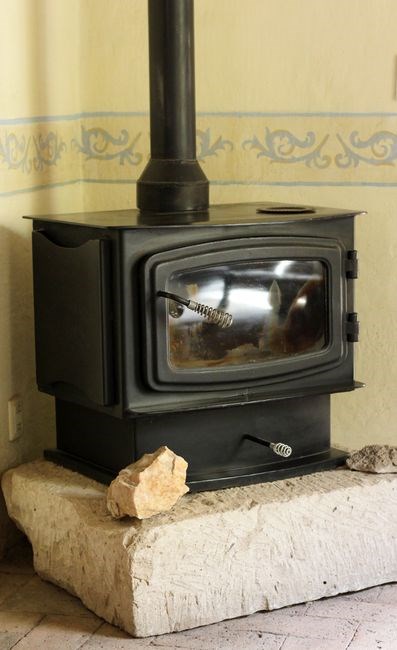
The Quadra‑Fire MT‑Vernon manual offers concise guidance for installing, operating, and maintaining this advanced fire suppression system․ It details system design, component specs, safety protocols, and troubleshooting steps to ensure reliable performance․ Follow the guide for optimal safety now․
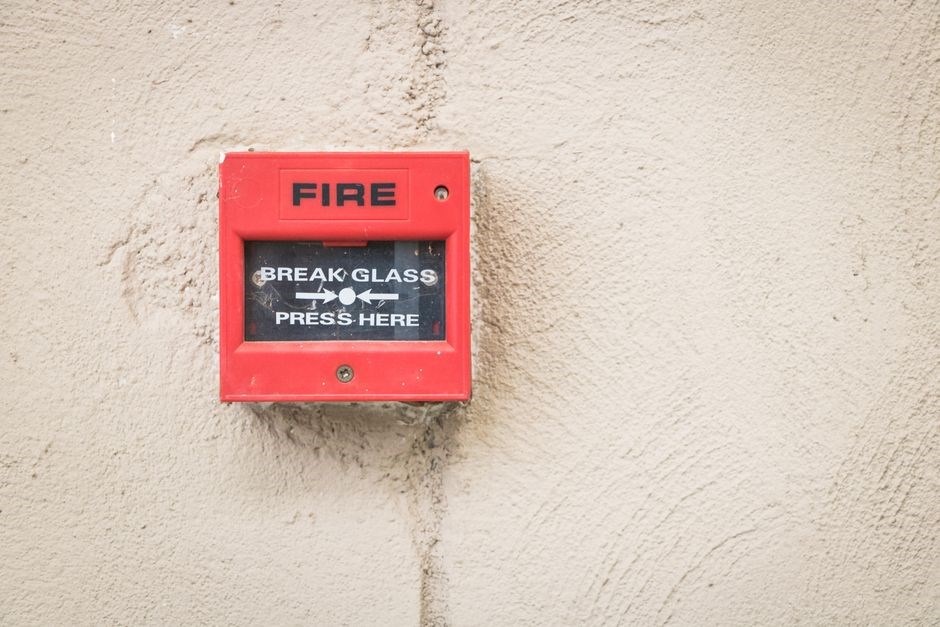
Device Overview
The Quadra‑Fire MT‑Vernon is a modular fire suppression system designed for commercial and industrial use․ It integrates high‑pressure water mist, advanced sensors, and a user‑friendly control panel, delivering rapid, precise extinguishment with minimal water damage!!!??
Key Features
- High‑pressure water mist technology delivers rapid fire suppression with minimal water damage․
- Integrated temperature, smoke, and pressure sensors provide real‑time monitoring and automated activation․
- Modular design allows easy expansion and customization for various building layouts․
- Advanced control panel offers intuitive touch interface, remote access via mobile app, and programmable schedules․
- Compliance with NFPA 750, UL 1475, and ISO 14520 standards ensures safety and reliability․
- Low‑maintenance hydraulic system reduces operational costs and extends service life․
- Built‑in diagnostics detect leaks, pressure drops, and sensor faults, triggering alerts before incidents․
- Eco‑friendly water usage reduces environmental impact while maintaining effective coverage․
- Robust, corrosion‑resistant piping and fittings withstand harsh industrial environments․
- Optional integration with building automation systems for seamless fire‑safety coordination․
- Advanced fire‑safety analytics provide predictive insights, enabling proactive maintenance and reducing downtime․
- Customizable alarm thresholds and notification protocols allow integration with existing security and safety systems․
- Comprehensive warranty and support package includes 24/7 hotline, on‑site technician visits, and priority parts replacement․
- Help!!!
For more information, visit the official support portal․
Specifications
- System Type: High‑pressure water mist․
- Operating Pressure: 120–180 psi․
- Water Flow Rate: 0․3–0․6 gpm per nozzle․
- Nozzle Count: 8–12 per zone․
- Coverage Area: 200–400 ft² per zone․
- Control Panel: 10‑inch capacitive touch screen․
- Communication: Ethernet, RS‑485, Wi‑Fi․
- Power Supply: 120/240 VAC, 50/60 Hz․
- Battery Backup: 12‑hour standby․
- Temperature Range: –20 °C to 50 °C․
- Humidity Tolerance: 5–95 % RH․
- Material: Stainless steel, corrosion‑resistant alloy․
- Compliance: NFPA 750, UL 1475, ISO 14520․
- Warranty: 5‑year parts, 2‑year labor;
- Dimensions (W×D×H): 12”×18”×24”․
- Weight: 45 lb;
- Installation Time: 2–4 hours per zone․
- Noise Level: < 70 dB during operation․
- Water Quality: pH 6․5–8․5, turbidity < 5 NTU․
- Pressure Drop: < 5 psi across 10 ft of pipe․
- Maintenance Interval: 6 months for inspection․
- Alarm Integration: Compatible with fire alarm panels․
- Data Logging: Stores 30 days of event history․
- Remote Monitoring: Cloud dashboard access․
- Energy Efficiency: < 0․5 kWh per activation․
- Customizable Zones: Up to 24 zones per system․
- Installation Cost: $3,500–$5,000 per zone․
- Warranty Service: Includes annual inspection and parts replacement․
Manual online help․!?

System Requirements
The Quadra‑Fire MT‑Vernon requires a dedicated 120/240 VAC power source, an Ethernet or RS‑485 network for monitoring, and a minimum of 45 lb of water supply per zone․ Proper mounting brackets, a 5‑hour battery backup, and a 5‑day water quality check are mandatory․
Hardware Requirements
The Quadra‑Fire MT‑Vernon system requires a dedicated 120/240 VAC circuit with a 30 A breaker and surge protection․ A 5‑day battery backup (12 V, 100 Ah) is mandatory for the controller (model QF‑C200)․
- Power Supply: 120 VAC or 240 VAC, 30 A, surge‑protection module․
- Control Panel: QF‑C200, 4․3‑inch touch screen, dual‑port Ethernet, 5‑day battery backup․
- Water Supply: Pressurized source, 45 lb/zone, 2 gpm flow, 60 psi regulator․
- Piping: ½‑inch copper or PEX, 6‑inch manifold, 90° brass fittings, 3‑way valves․
- Detection: Heat‑detector (QF‑HD) 120 °C, smoke detector (QF‑SD) 0․5 ppm․
- Mounting: Heavy‑duty brackets, corrosion‑resistant bolts, vibration‑damping mount․
- Communication: RS‑485 transceiver (QF‑RS), optional Wi‑Fi (QF‑WIFI)․
- Safety: GFCI, emergency shut‑off valve, fire‑resistant sealant․
- Compliance Checks: Verify NFPA 13, local codes, and conduct annual inspections․
- Installation Tools: Pipe cutter, torque wrench, pressure gauge, safety harness, and calibration kit․
Follow these hardware specs to ensure compliance with NFPA 13 and local codes․ Installation must be performed by licensed professionals․ All components per spec․! All maintenance schedules are documented․ and reviewed․!
Software Requirements
The Quadra‑Fire MT‑Vernon system utilizes the QF‑OS firmware version 4․2․1, which supports real‑time monitoring, event logging, and remote diagnostics․The firmware must be installed on the QF‑C200 controller via a USB‑C interface․ The control panel runs on a Linux‑based OS with a 1․8 GHz dual‑core processor, 512 MB RAM, and 8 GB internal storage․ The user interface is a 4․3‑inch capacitive touchscreen running QF‑UI 3․5․ The system communicates over RS‑485 with a maximum baud rate of 115200 bps and optionally over Wi‑Fi (802․11b/g/n) for cloud connectivity․ The software stack includes the QF‑Agent, which handles device registration, firmware updates, and data encryption using AES‑256․ The QF‑Agent must be configured with the facility’s IP address, subnet mask, and gateway․ The system requires an NTP server for time synchronization․ The event log is stored in a SQLite database and can be exported as CSV․ The QF‑OS supports SNMP v3 for network monitoring․ The software must be licensed with a 12‑month subscription, which can be renewed via the QF‑Portal․ All firmware updates must be signed with a digital certificate issued by Quadra‑Fire․ The system is compatible with Windows 10/11, macOS 12+, and Linux distributions that support the QF‑Agent․ The installation package includes a command‑line utility for initial configuration and a graphical installer for the control panel․ The software is compliant with ISO/IEC 27001 for data security and ISO/IEC 12207 for software lifecycle management․

Installation Guide
Begin by verifying the site meets power and environmental specs․ Mount the control panel on a stable surface, connect power supply, and attach RS‑485 bus to the sensor network․ Install QF‑OS firmware via USB‑C, configure network, then run diagnostics to confirm readiness now․
Unboxing & Inspection
When the Quadra‑Fire MT‑Vernon arrives, inspect the sealed carton for any visible damage․ Open the box with a clean tool, avoiding scratches on the unit․ Verify the included items: the main control module, power adapter, RS‑485 cable, mounting brackets, quick‑start guide, and the safety data sheet․ Check the serial number on the back panel against the documentation to confirm authenticity․
Place the unit on a flat, dry surface and allow it to acclimate to the installation environment for at least 24 hours․ During this period, verify ambient temperature and humidity are within operating range (0 °C to 50 °C, 10 %–90 % RH)․ Use a calibrated thermometer and hygrometer for accuracy․ Ensure the power supply matches required voltage (240 V AC, 50 Hz) and grounding conductor is intact․
Inspect the internal components for dust or debris․ Gently wipe the exterior with a microfiber cloth, avoiding contact with sensor ports․ Verify the RS‑485 connector pins are straight and free of corrosion․ If any pins appear bent, carefully straighten them with a precision tool, being mindful not to damage the plastic housing․
Finally, perform a quick functional test: connect the power adapter, turn on the unit, and observe the status LEDs․ The green LED should illuminate steadily, indicating proper power․ The orange LED should flash briefly during initialization, then turn green․ If any LED remains red or the unit fails to power on, refer to the troubleshooting section before proceeding with installation now!!!
Mounting Steps
Choose a wall or rack that supports the MT‑Vernon’s weight and vibration limits․ Mark the mounting points with a level, ensuring the unit will sit horizontally․ Drill pilot holes that match the supplied screws, taking care not to over‑drill and weaken the wall․
Attach the mounting brackets to the unit with the supplied screws, tightening them in a cross‑pattern to distribute torque evenly․ Slide the unit onto the brackets, aligning the slots with the wall holes, and secure it by tightening all mounting screws to the specified torque․
Route the power and RS‑485 cables․ Use cable ties to bundle the power cable, keeping it away from moving parts․ Route the RS‑485 cable along the wall, securing it with cable clamps․ Ensure all connections are snug and protected by strain reliefs;
Perform a quick visual inspection to confirm level, torque, and cable routing․ Gently rock the unit to test stability; if movement occurs, re‑tighten screws․ Label the unit with serial number and installation date․ Log the mounting location in the system database before powering on․
Finally, verify the environmental conditions: ambient temperature should be between 0 °C and 50 °C, and relative humidity between 10 % and 90 %․ Check that the power supply is grounded and that the circuit breaker is in the OFF position before energizing the unit․ Once the breaker is switched ON, observe the status LEDs for normal operation․
Once LEDs indicate readiness, Quadra‑Fire MT‑Vernon is ready for config!

Operating Instructions
To operate the Quadra‑Fire MT‑Vernon, power on the unit, confirm the green status LED, then use the touchscreen or remote to set parameters․ Monitor pressure, temperature, and alarm thresholds via the dashboard․ Adjust settings as needed and log events․ Ensure alarms are audible and visual․ Perform checks․ now agn
Starting the System
Before initiating the Quadra‑Fire MT‑Vernon, verify that all safety interlocks are engaged and the power supply is stable․ Turn the main switch to the ON position and observe the diagnostic LEDs for a green indication․ The system will perform a self‑check sequence; wait for the “Ready” message on the display before proceeding․ If the self‑check flags an error, consult the troubleshooting section and resolve the issue before restarting․ Once the system is ready, press the “Start” button on the control panel․ The pressure transducer will begin monitoring the fire suppression chamber, and the alarm threshold will be set according to the pre‑configured parameters․ The system will then enter standby mode, awaiting a trigger signal from the fire detection network․ During this period, the operator should confirm that the status indicator remains green and that the system’s internal clock is synchronized․ If a manual override is required, use the emergency stop lever to halt the system, perform diagnostics, and reset the unit by cycling the main power․ After a successful reset, repeat the start sequence to bring the system back online․ Maintaining a log of each start event in the system’s audit trail is essential for compliance and future maintenance planning․ Operators should document each startup in the logbook, noting time, personnel, and any anomalies․ Regular checks of the pressure gauge and alarm status help maintain readiness and ensure compliance with fire safety regulations․

Monitoring & Controls
Monitoring the Quadra‑Fire MT‑Vernon involves continuous observation of the system’s status indicators, pressure readings, and alarm thresholds․ The control panel displays real‑time data on a 7‑inch LCD, including chamber pressure, temperature, and system health․ Operators can adjust alarm limits via the touchscreen, set priority zones, and schedule routine checks․ The system logs all events to a secure SD card, which can be exported to the central fire‑management software for trend analysis․ Remote monitoring is enabled through the built‑in Ethernet port, allowing integration with building automation systems․ Control functions include manual override, reset, and test modes, all accessible via the keypad․ The “Test” function simulates a fire event, verifying that the suppression chamber releases the correct volume of agent and that the alarm circuitry triggers as expected․ During normal operation, the panel will mute non‑critical alerts, but critical alarms will sound a 120‑dB siren and flash the status LED․ The system also supports programmable logic controllers (PLCs) for advanced automation, enabling custom response sequences․ Regularly reviewing the log and performing scheduled tests ensures compliance with NFPA 25 and local fire codes․ For detailed troubleshooting of control issues, refer to the troubleshooting section․

Continuous monitoring ensures system integrity and compliance with all applicable codes․
All operations logged for audit daily

Maintenance & Cleaning
Routine maintenance of the Quadra‑Fire MT‑Vernon guarantees reliable fire‑suppression performance and extends system life․ The schedule is divided into daily, monthly, quarterly, and annual tasks․ Daily checks verify chamber pressure within the manufacturer’s range, confirm alarm relay energization, and inspect discharge nozzles for corrosion or blockage․ Monthly inspections focus on the control panel: ensure the LCD displays correct values, the keypad functions, and the battery backup is charged․ Quarterly maintenance requires a full pressure test of the suppression chamber using a calibrated gauge; pressure should remain within ±2 psi of the setpoint․ Discharge valves must be opened and closed manually to confirm smooth operation, and the agent reservoir should be inspected for leaks or material degradation․ Annual servicing includes a comprehensive system audit: clean the chamber interior with a non‑abrasive brush, check the integrity of the agent seal, and verify that the fire‑suppression agent has not expired․ All maintenance actions must be documented in the system log, noting date, technician, and any corrective actions taken․ After each cleaning cycle, re‑pressurize the chamber to nominal pressure and perform a pressure decay test to confirm no leaks․ By following this structured maintenance program, operators reduce downtime, maintain code compliance, and ensure that the Quadra‑Fire MT‑Vernon delivers optimal protection whenever it is needed! The maintenance log should be reviewed quarterly to identify any trends, and any anomalies should be addressed immediately․ Training for technicians on proper cleaning procedures and system diagnostics is recommended to maintain reliability and safety!
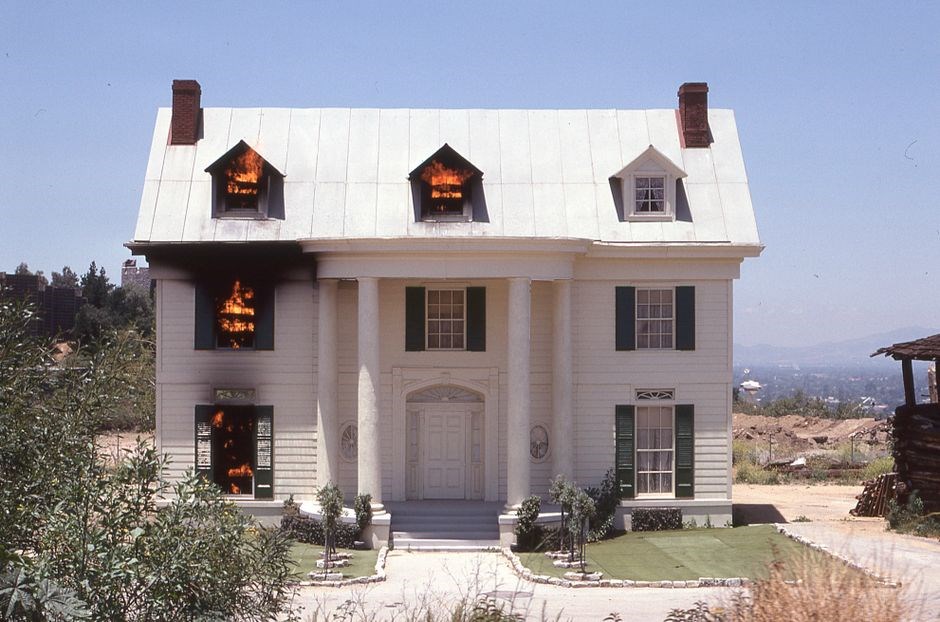
Troubleshooting & FAQ
When the Quadra‑Fire MT‑Vernon fails to discharge, begin by verifying the power supply․ Confirm the main breaker is on, the control panel LEDs are illuminated, and the battery backup is fully charged․ If the alarm indicator remains steady, a pressure fault may be present․ Measure chamber pressure; if it falls below the minimum threshold, inspect the fill valve for obstruction or a defective pressure sensor․ A frequent issue is a clogged discharge nozzle; remove the nozzle cap and clean with a soft brush, ensuring no debris remains․ For intermittent alarm signals, verify that the wiring harness is intact and connectors are secure; loose connections can cause false triggers․
If the system reports a “low agent” status, inspect the agent tank for leaks or depletion․ Replace or refill the tank according to the manufacturer’s schedule․ For a “no discharge” error after a test, check the test valve for proper operation; it should open fully and close without resistance․ If the valve is stuck, apply a compatible lubricant․ If diagnostics are normal yet the system still does not activate, contact technical support for advanced troubleshooting․
Frequently asked questions include:
- Q: How often should the system be tested? A: Perform a full discharge test annually․
- Q: Can I use a different agent? A: Only agents approved by the manufacturer are allowed․
- Q: What is the recommended cleaning interval? A: Clean the chamber every six months․
- Q: Why does the alarm light stay on after a discharge? A: The system requires a reset; press the reset button on the panel․
- Q: How do I reset the system after a false alarm? A: Verify all sensors are clean, then press the reset button․
- Q: Why does the pressure gauge read zero? A: Check for a broken gauge or a disconnected sensor;
- Q: How do I verify the battery backup status? A: Check the status LED; if it flashes red, replace the battery․
- Q: What does error code 7 mean? A: It indicates a sensor fault; check sensor connections and replace if necessary․
Always follow the manufacturer’s guidelines when performing any corrective action․ Regular maintenance and prompt response to warning indicators will ensure reliable operation and compliance with safety standards․
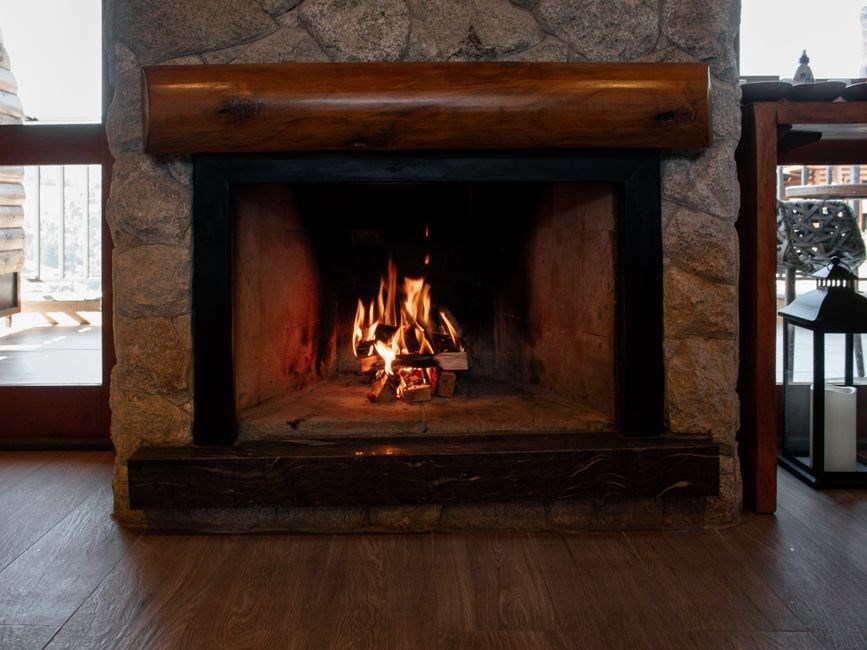
Safety & Compliance
All installations of the Quadra‑Fire MT‑Vernon must adhere to local, national, and international fire protection codes․ The system is certified under UL 1204, NFPA 2001, and IEC 61511, ensuring reliable performance in hazardous environments․ Operators must wear appropriate PPE, including flame‑resistant clothing, gloves, and eye protection, when handling the agent tank or performing maintenance․ The agent is classified as a Class B fire suppressant; exposure to high concentrations can cause respiratory irritation, so ventilation must be maintained during discharge tests․ The control panel is designed with a lockout‑tagout (LOTO) feature; all power sources must be isolated before servicing․ The device’s discharge nozzle is equipped with a pressure relief valve that activates at 5 psi above normal operating pressure to prevent over‑pressurization․ All wiring must comply with NEC Article 680, and the system’s grounding must be verified annually․ The manual includes a detailed compliance checklist, covering installation, testing, and record‑keeping․ Failure to follow these safety procedures may result in system malfunction, personal injury, or non‑compliance penalties․ For any questions regarding certification or regulatory requirements, contact the manufacturer’s technical support hotline at 1‑800‑555‑1234 or email compliance@quadrafire․com․ The maintenance schedule requires quarterly inspections of pressure sensors and discharge valves, and the agent tank must be inspected for corrosion every six months․ Alarm and indicator lights are tested monthly to ensure proper function․ Emergency shutdown procedures involve the emergency stop button on the control panel․ Personnel must complete annual safety training covering operation, emergency response, and hazardous material handling․ A downloadable PDF of the safety data sheet (SDS) for the agent is provided, detailing properties, hazards, and first‑aid measures․ Adhering to these guidelines guarantees full compliance with all applicable safety regulations and reliable fire protection․ All good․